
NUTRITION OF THE SERIOUSLY ILL PATIENT IN THE INTENSIVE CARE UNIT
The work of the intensive care physician in the ICU
Critically ill patients requiring organic life support (mechanical ventilation, hemodialysis, vasoactive medications) in the intensive care unit (ICU) commonly suffer from anorexia and are unable to voluntarily feed by mouth for periods ranging from days to months. Unless such patients are provided macronutrients through enteral or parenteral (intravenous) feeding, these patients accumulate an energy deficit that rapidly reaches a magnitude that contributes to lean tissue loss that is associated with adverse prognosis during their ICU stay.
The catabolic (metabolic) response to severe (critical) illness is much more pronounced than that caused by fasting in healthy people, since the energy deficit in severe patients is frequently accompanied by immobilization and inflammatory and endocrine response to stress, which leads to loss of muscle mass and pronounced weakness in these patients. The degree of accumulated energy deficit (malnutrition) in severe patients is strongly associated with the length of stay in the ICU, the incidence of infections, complications and risk of death in the ICU.
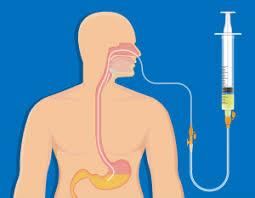
Nutrition will never be an urgent measure during the initial resuscitation of critically ill patients, but the time of onset (early), quality and suitability for each specific patient, the work of the intensivist, represent an important prognostic factor. Early enteral nutrition causes a trophic effect (stimulates the growth, development or activity of an organ or tissue), beneficial for the integrity of the intestinal mucosa during a serious (critical) illness and improves the prognosis of critically ill patients.
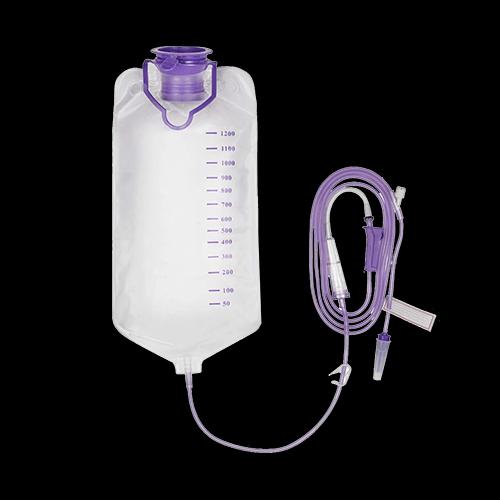
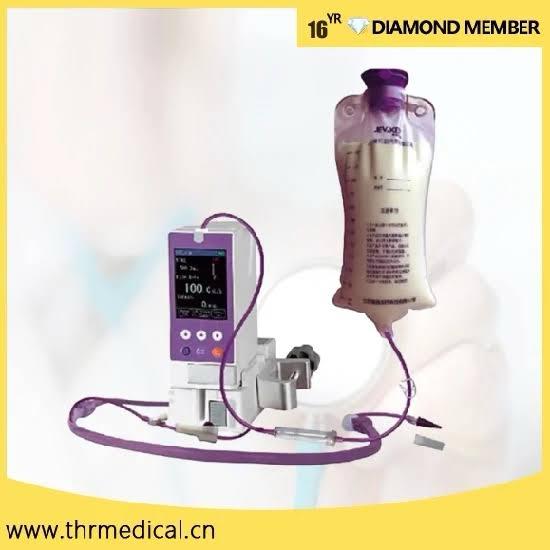
When the enteral route does not satisfy the optimal caloric intake needed, due to side effects associated with enteral nutrition (diarrhea) or lack of a functional gastrointestinal tract, parenteral nutrition should be initiated in these patients, in an environment trained and qualified to provide this form of feeding.
The adequacy of nutrition, according to the characteristics of the critically ill patient, type and quantity of macronutrients, protein and non-protein calories, carbohydrate flow per minute and its metabolic effects (water status, liver function, electrolytes, kidney function, glucose, acid-base status and the impact on nitrogen balance) correspond to the work of the intensive care physician in the ICU.

INTERNIST DOCTORS WITH SUBSPECIALTY IN INTENSIVE CARE
– Dr. Luis Alonso Eguía Zepeda
– Dr. Daniel Ramírez Zuno
– Dr. Javier Benjamín Zatarain Guerrero
Address: Almater Hospital Intensive Care Unit – Suite 203- Mexicali, B.C.
Appointments: (686) 552 3162