
PHOTOPROTECTION: YOUR BEST DEFENSE AGAINST THE SUN AND SKIN CANCER
The skin is the largest organ in our body—and also the most exposed. Protecting it is not just an aesthetic concern; it is an act of health. Sun exposure without proper care accelerates aging, causes spots, promotes the appearance of wrinkles, and—most importantly—increases the risk of skin cancer.
What does SPF mean?
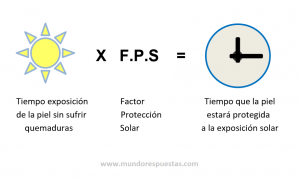
The Sun Protection Factor (SPF) is a standardized measure that indicates how much longer the skin can resist ultraviolet B (UVB) radiation before reddening or burning.
It is calculated by comparing the Minimal Erythema Dose (MED) on protected skin with that on unprotected skin. In other words, SPF tells us how many times longer a person can stay in the sun without burning compared to not using sunscreen.
For example, if a person begins to redden after 10 minutes without protection, applying a sunscreen with SPF 50 would delay that redness for about 500 minutes.
Types of sunscreens: chemical and physical
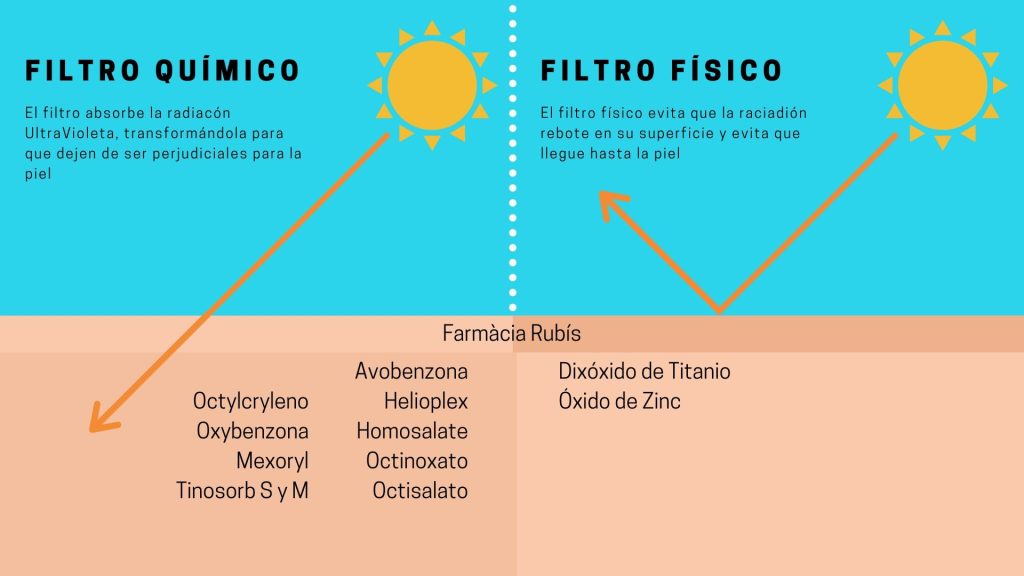
Chemical filters: absorb solar radiation and transform it into heat. They are usually more cosmetically pleasant, invisible, and easy to apply.
Physical or mineral filters: act like a mirror, reflecting radiation. Their most common ingredients are zinc oxide and titanium dioxide. They are ideal for sensitive skin, children, and people with skin allergies.
Many modern sunscreens combine both mechanisms to provide more complete protection.
Photoprotection is not just sunscreen
Although sunscreen is essential, it is not enough on its own. The best strategy is to combine it with physical measures such as:
- Wide-brimmed hats or caps with long visors
- Lightweight long-sleeved clothing, preferably with UV-filter fabrics
- Sunglasses with UV400 protection (block both UVA and UVB rays)
- Avoiding sun exposure between 10 a.m. and 4 p.m., when radiation is strongest
Practical daily tips
- Use SPF 50 and apply it correctly.
- Apply it 20 to 30 minutes before sun exposure.
- Reapply every 2 to 3 hours, or sooner if you sweat, swim, or dry off with a towel.
- Apply the proper amount using the FTU (Fingertip Unit) as a reference.
1 FTU equals 0.5 g—the amount of cream that fits from the crease to the tip of an adult’s index finger.
Recommended amount per body area:
- Face and neck: 2.5 FTU (≈1.25 g)
- Each arm: 2.5 FTU
- Each leg: 4 FTU
- Chest and abdomen together: 7 FTU
- Back: 7 FTU
Do not forget ears, lips, the backs of hands, and the tops of feet. These highly sun-exposed areas are often overlooked and prone to developing skin cancer.
From six months of age, children can use sunscreens formulated for their age group.
Always remember
Clouds do not block UV radiation, and sand, water, and concrete reflect much of it, increasing exposure. Applying sunscreen every day—just like brushing your teeth—is a two-minute habit that can prevent serious consequences in the future.
Photoprotection is a health habit: caring for your skin today means reducing your risk of skin cancer tomorrow.

DRA. MACARENA NOUGUÉS
Specialist in Internal Medicine and Dermatology
Hospital Alemán de Buenos Aires, Argentina
M.N. 167.758
WhatsApp: +54 911 6000 1832