
UNIVERSAL DESIGN: THE PATH TO INCLUSION AND EQUITY
For many years, conversations about design criteria related to inclusion have generally been led by people who do not live with a disability or who have not experienced what it is like to move through a city, a building, a hospital, or a school with some form of vulnerability.
The Universal Design approach focuses on creating spaces where any person—regardless of age, disability, or life circumstances—can move easily and safely. And how is this achieved? Let’s take a look:
* We design with flexibility, so that any person can use a space because it adapts to any need.
* We design with inclusion, so that every person—whether an older adult, infant, child, teenager, or someone with cognitive or mobility differences—can access and use the space.
* We design with safety, ensuring that the environment is friendly at all times, including clear signage, barriers, handrails, and more.
In reality, offering a space that is friendly and suitable for everyone is not that complicated, and it never means sacrificing aesthetics; on the contrary, integrating functionality should be done in an organic, logical, and orderly way.
Some simple suggestions include the use of soft, non-slip materials; door handles or knobs that are easy for older adults or people with arthritis to manipulate; proper ramps for wheelchairs; accessible restrooms; and appropriate lighting to prevent falls, among others.
If instead of rethinking spaces on our own, we open a dialogue with the true users of those spaces, we can achieve much more efficient, functional, safe, and dignified solutions for everyone.
At Sieco Architecture, we are committed to creating more empathic and human-centered spaces that drive social change and offer a safer environment for our community.

SIECO MEDICAL ARCHITECTURE
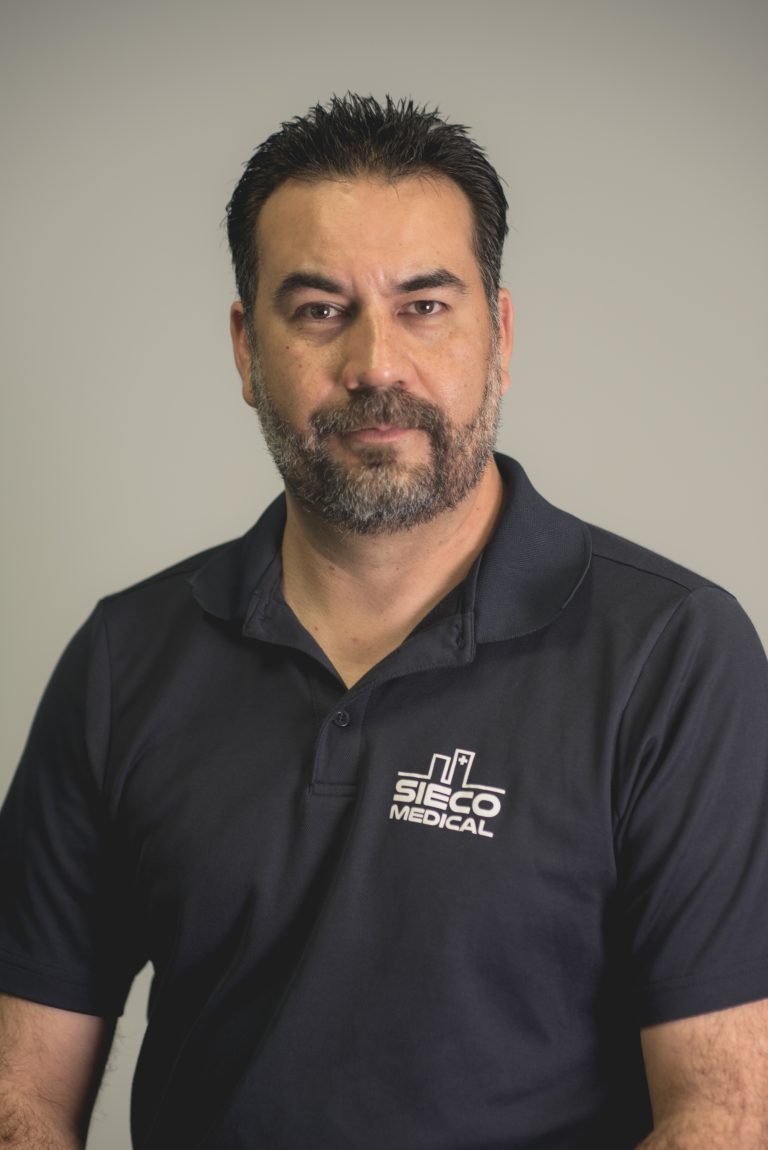
ENG. JORGE LUCANO GUTIÉRREZ CAIRE – General Director
WhatsApp: 686 160-04-55
Phone: 686-479-82-06
Email: gerencia@gruposieco.org
Facebook: Sieco Medical
Instagram: @siecomedical