
ANKLE INJURIES IN SPORTS: WHAT THEY ARE, HOW TO TREAT THEM, AND WHEN TO SEE A SPECIALIST
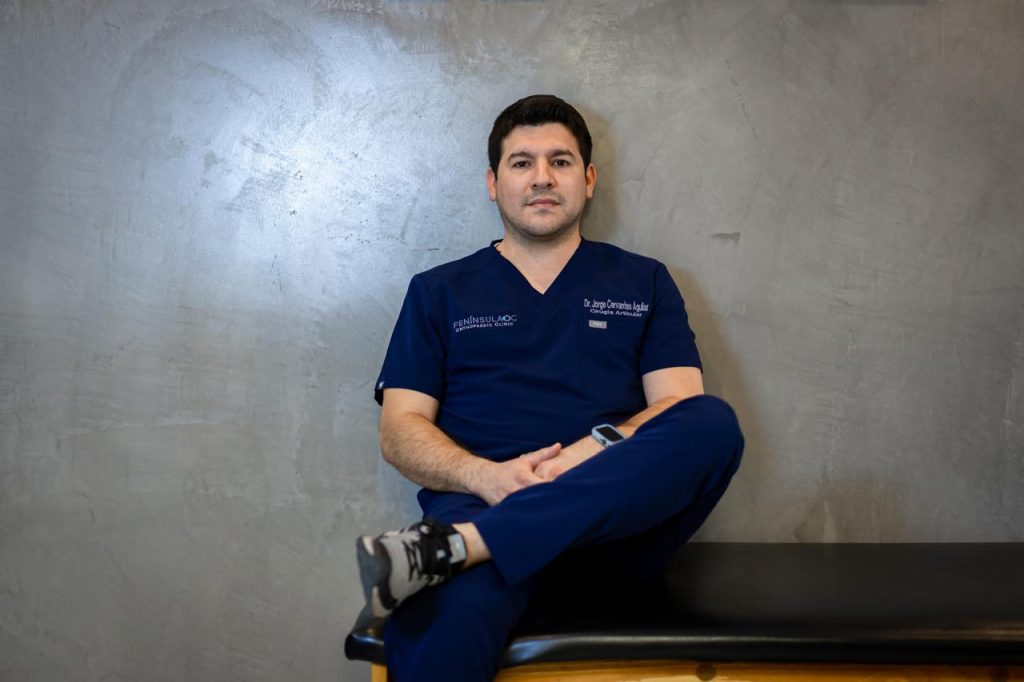
Dr. Jorge Cervantes, orthopedic surgeon and arthroscopist, explains the most common ankle injuries in sports, how to respond to an injury, warning signs that require medical attention, and key strategies to prevent recurrence.
Ankle injuries are among the most frequent orthopedic consultations for people who practice sports, both at amateur and professional levels. According to Dr. Jorge Cervantes, orthopedic surgeon and arthroscopist, these injuries are often underestimated, which can lead to chronic pain, instability, and recurrent injuries if they are not properly treated.
“The ankle is a complex joint that supports much of the body’s weight and is exposed to sudden movements. That’s why, when it gets injured, it requires timely attention and proper management from the very beginning,” explains the specialist.
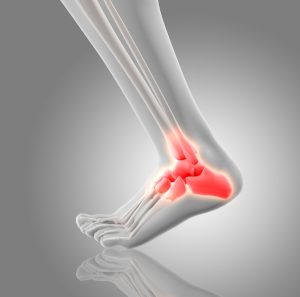
Among the most common injuries are ankle sprains, especially caused by twisting while running, jumping, or changing direction; ligament injuries, which can lead to instability; tendinitis due to overuse; and, in more severe cases, fractures or damage to the articular cartilage.
“A common mistake is to think that all sprains are the same. There are different degrees of injury, and not all of them heal with rest alone. If pain persists or there is a feeling that the ankle ‘gives way,’ a medical evaluation is essential,” notes Dr. Cervantes.
In the event of a recent injury, the specialist recommends acting immediately. “During the first few hours, it is crucial to stop sports activity, apply local cold, keep the ankle elevated, and avoid weight-bearing. These measures help control initial inflammation, but they do not replace a medical evaluation if symptoms do not improve.”
There are clear warning signs that indicate the need to see a specialist. Severe pain that does not subside, excessive swelling, inability to bear weight on the foot, extensive bruising, or repeated ankle sprains are red flags that should not be ignored. “When an injury is not properly treated from the start, it can become a chronic problem that limits athletic performance and quality of life,” he warns.
As for treatment options, these depend on the type and severity of the injury. They may range from rehabilitation and specialized physical therapy to the use of orthopedic supports and, in some cases, minimally invasive surgical procedures. “Today we have very precise options that allow us to restore ankle function and safely return to sports, always respecting recovery times,” says the arthroscopist.
Prevention plays a fundamental role in avoiding relapses. Dr. Jorge Cervantes recommends strengthening the muscles of the ankle and leg, performing proprioceptive exercises, wearing appropriate footwear, and not returning to sports until rehabilitation has been fully completed. “Prevention is just as important as treatment. A strong, well-trained ankle significantly reduces the risk of re-injury.”
With proper information, early care, and specialized medical management, ankle injuries can be treated effectively, allowing athletes to return to their activities with safety and confidence.
DR. JORGE A. CERVANTES AGUILAR
Orthopedics and Joint Surgery
Appointments: (686) 551 0099
Instagram: @dr.jorgecervantes / @peninsula.oc
Facebook: Dr. Jorge Cervantes Aguilar / Peninsula Orthopaedic Clinic
Website: peninsulaoc.com