
CARDIORENAL METABOLIC SYNDROME: WHEN THE HEART, KIDNEYS AND METABOLISM SPEAK THE SAME LANGUAGE
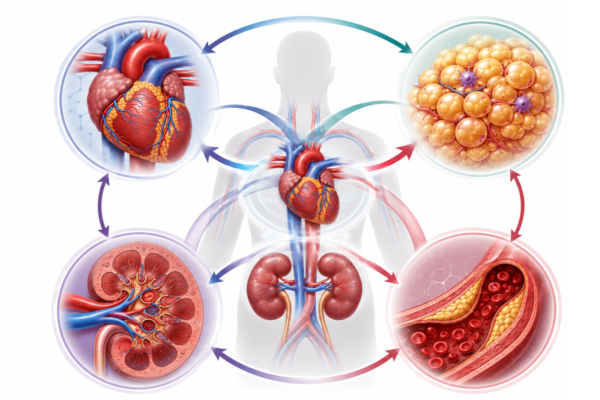
For many years, heart disease, kidney disease, and metabolic disorders such as diabetes were treated as independent problems. However, modern medicine now recognizes that they are deeply interconnected. This relationship is known as cardiovascular-kidney-metabolic (CKM) syndrome, or cardiorenal metabolic syndrome.
This concept, recently advanced by the American Heart Association, explains how conditions such as obesity, type 2 diabetes, high blood pressure, and chronic kidney disease interact with one another, creating a progressive cycle of damage throughout the body.
Why is it so important?
The heart, kidneys, and metabolism function as an integrated system:
- The heart pumps blood to all organs, including the kidneys.
- The kidneys regulate fluid balance, blood pressure, and the elimination of toxins.
- Metabolism determines how the body uses energy and regulates glucose and fats.
When one of these systems is disrupted, the others are affected as well.
This “domino effect” increases the risk of heart attack, stroke, heart failure, and advanced kidney failure.
Warning signs
The syndrome can progress silently for years. It is important to seek medical evaluation if any of the following signs or symptoms appear:
- High blood pressure
- Increased abdominal fat or body weight
- High blood glucose
- Persistent fatigue
- Swelling in the legs or ankles
- Shortness of breath with mild exertion
- Abnormal kidney function test results
Prevention: small decisions, big impact
The good news is that cardiorenal metabolic syndrome can be prevented or significantly delayed through lifestyle changes:
- A diet rich in fruits, vegetables, legumes, and fiber
- Reducing ultra-processed foods and sugary drinks
- Regular physical activity
- Adequate sleep and stress management
- Avoiding tobacco
- Regular monitoring of blood pressure, glucose, and kidney function
In addition, medications are now available that have been shown to protect the heart and kidneys simultaneously, especially in people with diabetes, obesity, or kidney disease.
A comprehensive medical approach
Managing cardiorenal metabolic syndrome requires a multidisciplinary approach involving different specialists:
- Cardiologist: evaluates and treats heart and circulatory health.
- Nephrologist: manages kidney function and related complications.
- Endocrinologist: manages diabetes, obesity, and other metabolic disorders.
- Internal medicine physician: coordinates the patient’s comprehensive care and risk factors.
- Family physician: provides early detection, follow-up, and long-term prevention.
- Clinical nutritionist: supports personalized dietary intervention.
This collaborative approach makes it possible to treat the patient as a whole, rather than treating diseases in isolation.
A new way to understand health
Cardiorenal metabolic syndrome represents a profound shift in modern medicine: it is not about separate organs, but rather a connected system that must be cared for comprehensively.
Detecting risk factors early can prevent serious complications and improve quality of life.
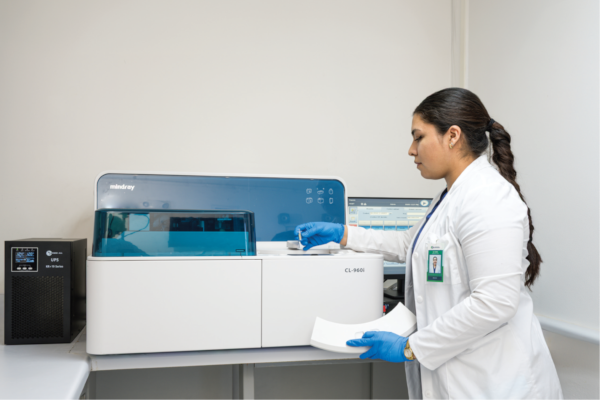

LABORATORIO DORADO – QBF MARTHA DORADO DEL RIO
We offer molecular biology, flow cytometry, microbiology, and clinical laboratory testing services.
Central Laboratory:
Address: Av. Álvaro Obregón #1500, Col. Nueva, MEXICALI, B.C.
Phone: (686) 552 3230
WhatsApp: (686) 279 6009
Clarion Hospital Branch:
Address: Av. Brasil #2859, Col. Alamitos, MEXICALI, B.C.
Phone: (686) 582 4660
Instagram: @laboratoriodoradomx
Facebook: Laboratorio Dorado